Adventure Travel
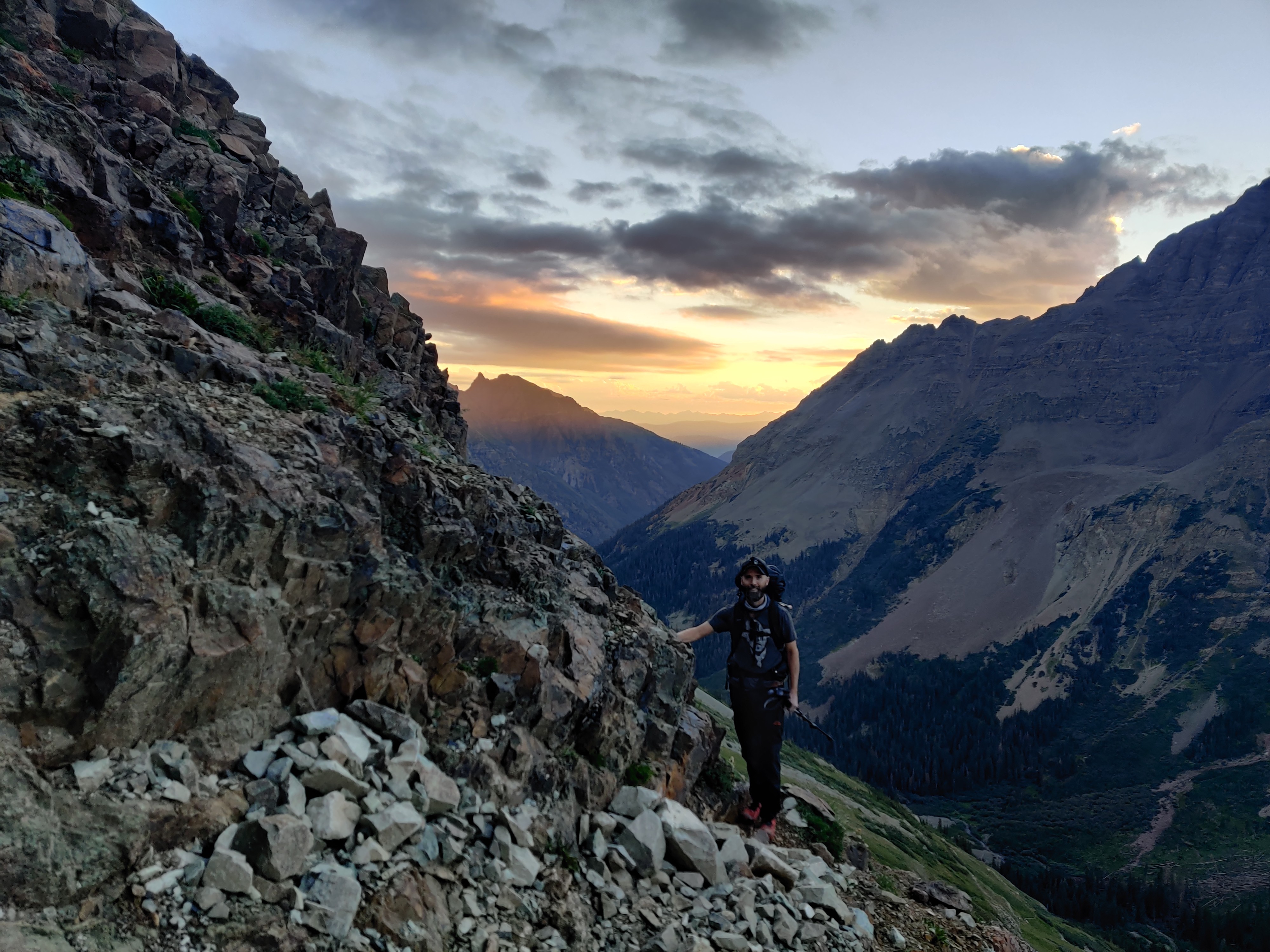
If you've ever found yourself gasping for air on a Colorado 14er, you're not alone. Altitude has a way of turning an otherwise straightforward hike into a much bigger challenge. Whether your goal is to summit a Colorado peak, trek to Everest Base Camp, climb Kilimanjaro, or tackle bigger mountaineering objectives, spending time at altitude before your trip can make a huge difference.
The good news? You don't need to travel halfway around the world to start preparing. Some of the best high-altitude hiking and mountaineering training in the world can be found right here in Colorado. At the same time, international destinations offer unique opportunities to experience even higher elevations and different mountain environments.
So where should you train? Let's look at some of the best high-altitude hiking destinations in the United States and abroad.
Why Train at Altitude?
As elevation increases, the amount of available oxygen decreases. While the percentage of oxygen in the air stays the same, each breath delivers less oxygen to your body. This can lead to fatigue, headaches, slower recovery, and decreased performance.
Spending time at altitude helps your body begin adapting to these conditions. While no amount of training can completely eliminate the effects of altitude, gradual exposure can improve your comfort, confidence, and overall experience when it's time for your big objective.
Best High Altitude Hiking Training in the United States
Colorado: The Gold Standard for Altitude Training
If your goal is to prepare for high-altitude hiking, Colorado is hard to beat.
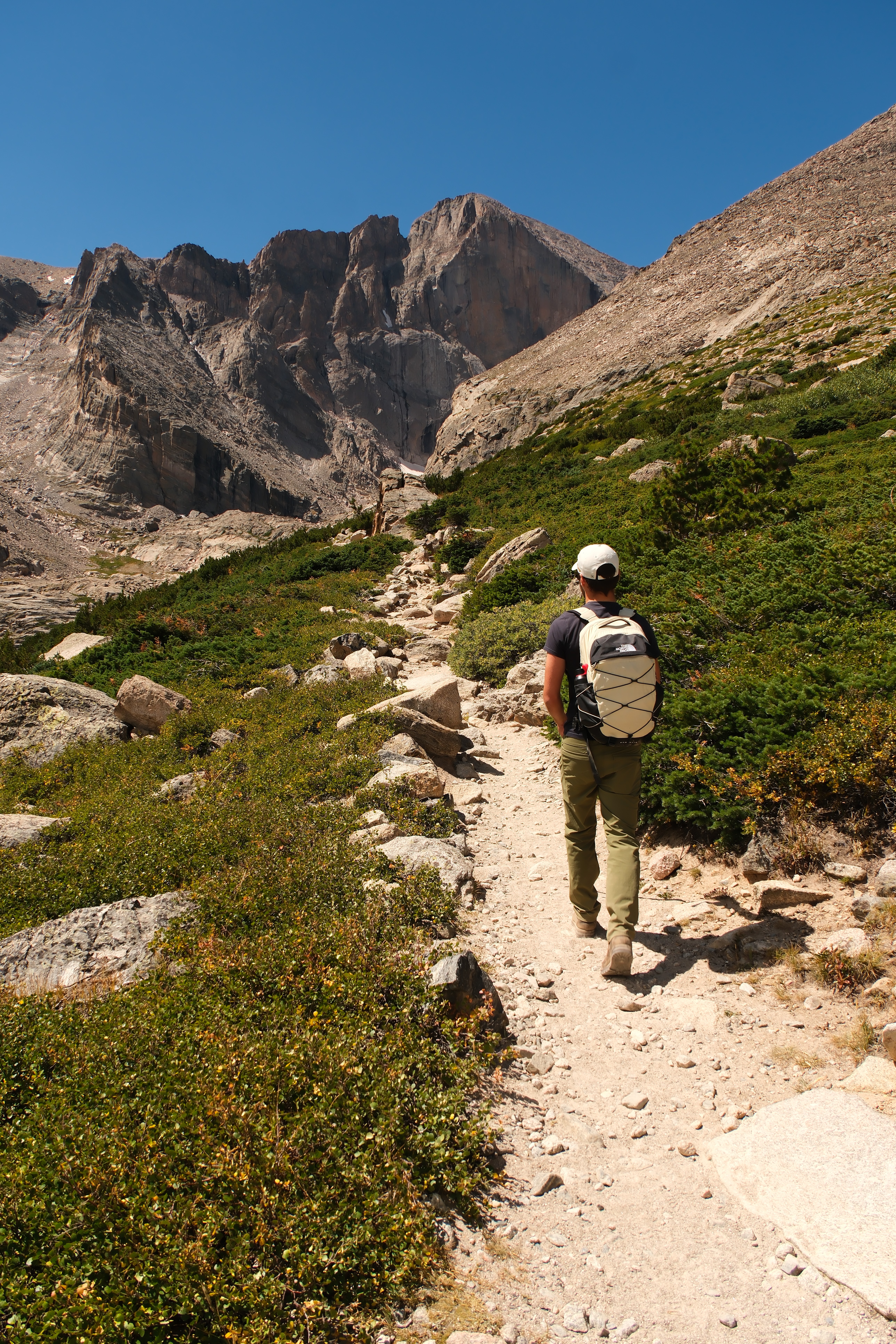
Home to 58 peaks over 14,000 feet, Colorado offers one of the most accessible high-altitude training grounds anywhere in the world. Unlike many international destinations that require significant travel logistics, you can drive to trailheads that start above 10,000 feet and spend multiple days training at elevation.
Popular options include:
Mount Elbert (14,440 ft)
Quandary Peak (14,271 ft)
Grays Peak (14,278 ft)
Torreys Peak (14,275 ft)
For hikers looking to build experience gradually, Colorado also offers countless hikes between 10,000 and 13,000 feet where you can focus on fitness, pacing, hydration, and acclimatization.
One of the biggest advantages of training in Colorado is consistency. You can spend multiple days or weeks at altitude, allowing your body to adapt while gaining valuable mountain experience.
California's Sierra Nevada
The Sierra Nevada range provides another excellent option for altitude training.
Peaks like Mount Whitney (14,505 ft) offer high elevations comparable to Colorado's tallest mountains. Multi-day backpacking routes throughout the Eastern Sierra allow hikers to spend extended periods above 10,000 feet while developing endurance and backcountry skills.
Washington's Cascade Volcanoes
For those interested in future mountaineering objectives, the Cascade Range offers a blend of altitude and glacier travel.
Mountains such as Mount Rainier and Mount Baker provide opportunities to combine altitude exposure with technical mountaineering skills.
While not as high as Colorado's peaks, the glaciated terrain makes them excellent preparation for larger alpine objectives.
International High Altitude Hiking Destinations
Once you've gained experience in the U.S., international destinations can take your training to the next level.
Mexico's High Volcanoes
For many hikers and aspiring mountaineers, Mexico offers one of the best introductions to international high-altitude climbing.
The volcanoes surrounding Mexico City provide an ideal progression for hikers looking to move beyond Colorado's 14ers. Peaks such as Iztaccíhuatl rise above 17,000 feet, while Pico de Orizaba reaches 18,491 feet, making it the highest mountain in Mexico and the highest volcano in North America.
What makes Mexico particularly valuable as a training destination is the opportunity to spend multiple days progressively acclimatizing on several mountains before attempting a higher summit. This gradual approach helps hikers learn how their bodies respond to altitude while building confidence in a real expedition environment. Many climbers use these volcanoes as preparation for larger objectives around the world.
Our Intro to High Altitude: Pico De Orizaba Expedition is designed specifically for hikers and mountaineers looking to experience what it's like to travel and perform at high altitude. The trip includes multiple peaks and culminates on Pico de Orizaba, providing an ideal stepping stone toward bigger mountain goals. Lost Goat's Mexico program uses Pico de Orizaba and surrounding peaks as a learning ground for high-altitude mountaineering and acclimatization.
Peru's Andes
Peru offers some of the best trekking at altitude anywhere on the planet.
Routes near Cusco often exceed 14,000 feet, while treks such as the Salkantay Trek and Ausangate Circuit spend significant time above 15,000 feet.
The Andes provide an excellent environment for hikers looking to spend multiple days continuously at altitude.
Nepal and Everest Region
For many hikers, trekking in Nepal represents the ultimate high-altitude adventure.
Treks to Everest Base Camp reach approximately 17,600 feet, while many surrounding passes exceed 18,000 feet. The extended duration of these treks provides ample opportunity for acclimatization while exposing hikers to some of the most spectacular mountain scenery in the world.
Should You Train in Colorado or Travel Internationally?
The answer depends on your goals.
If you're new to altitude, Colorado is often the best place to start. The accessibility, variety of terrain, and abundance of high peaks make it one of the most effective training grounds available.
If you've already spent time on Colorado's 14ers and are looking toward larger mountaineering objectives, international destinations like Mexico can provide valuable experience at higher elevations while introducing the logistics and challenges of expedition-style travel.
For many hikers, the ideal progression looks something like this:
Build fitness and hiking experience at lower elevations.
Spend time on Colorado's high peaks and 14ers.
Progress to international high-altitude objectives such as Mexico's volcanoes.
Use those experiences as a stepping stone toward bigger goals in the Andes, Himalayas, or other major mountain ranges.
Train Smarter, Climb Higher
High altitude affects everyone differently, but preparation matters. The more time you spend learning how your body performs at elevation, the more enjoyable your future adventures will be.
Whether you're tackling your first Colorado 14er or preparing for an international mountaineering objective, choosing the right training environment can help set you up for success.
If you're ready to gain real high-altitude experience, check out our guided Colorado mountaineering programs and our Intro to High Altitude adventure. They're designed to help you build skills, confidence, and experience in some of the best mountain environments in North America.