Corporate Offsites
Most team building activities don’t actually build much.
You spend a few hours in a conference room, run through a couple of icebreakers, maybe do something mildly uncomfortable, and then everyone goes right back to their normal routines. Nothing really changes.
If you want a team to connect in a meaningful way, you have to take them out of that environment entirely.
Get them outside. Get them moving. Give them something real to do together.
That’s where things start to shift.
Why the Outdoors Works
The outdoors has a way of leveling everything.
Titles matter less. People communicate more directly. You start to see how individuals actually show up when there’s a shared goal and a bit of uncertainty involved.
It’s not forced, and that’s the difference. No one is pretending to participate in a structured exercise. They’re just figuring things out together in real time.
That’s where stronger teams are built.
The Best Outdoor Team Building Activities
Not all outdoor activities create the same experience. The best ones give your team a mix of challenge, collaboration, and just enough unpredictability to make it memorable.
Rock Climbing
If your goal is to build trust, climbing is hard to beat.
Out on real rock, everything feels a little more immediate. You’re focused, you’re present, and you’re doing something most people don’t get to do in their day-to-day lives.
Guides handle the technical side, belays, anchors, safety, so your team can focus on the experience. From the ground, people are calling out beta, encouraging each other, and paying attention in a way that doesn’t happen in a typical work setting.
It’s also one of the fastest ways to shift confidence. People show up unsure, get on the rock, and come down realizing they’re capable of more than they thought.
Mountain Biking
Mountain biking brings a different kind of energy.
It’s fast, engaging, and adaptable to a wide range of skill levels, which makes it a strong option for mixed groups. Some people will push the pace, others will take it steady, but everyone is part of the same experience.
It also tends to create those unplanned moments, the kind people actually remember, without needing to manufacture them.
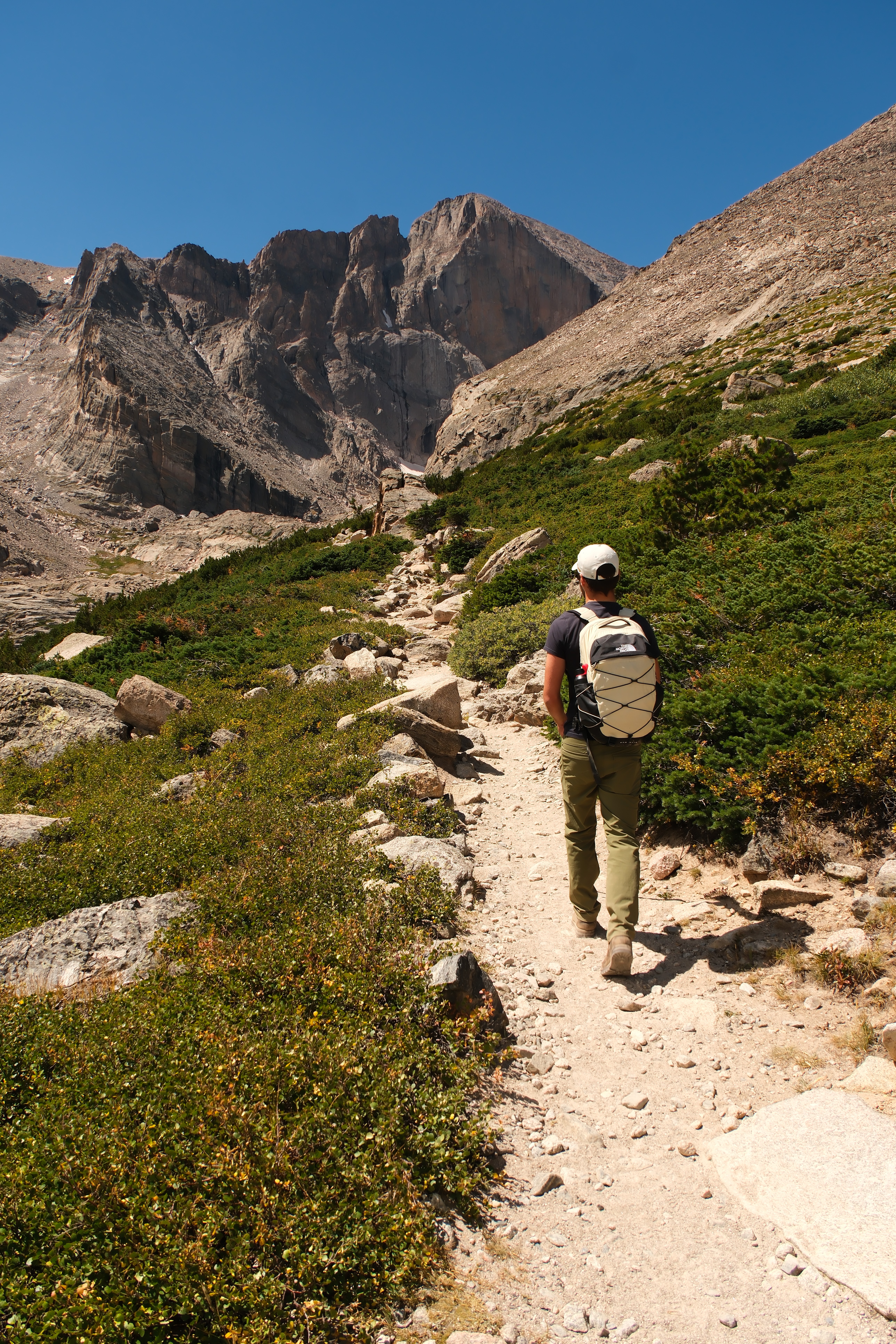
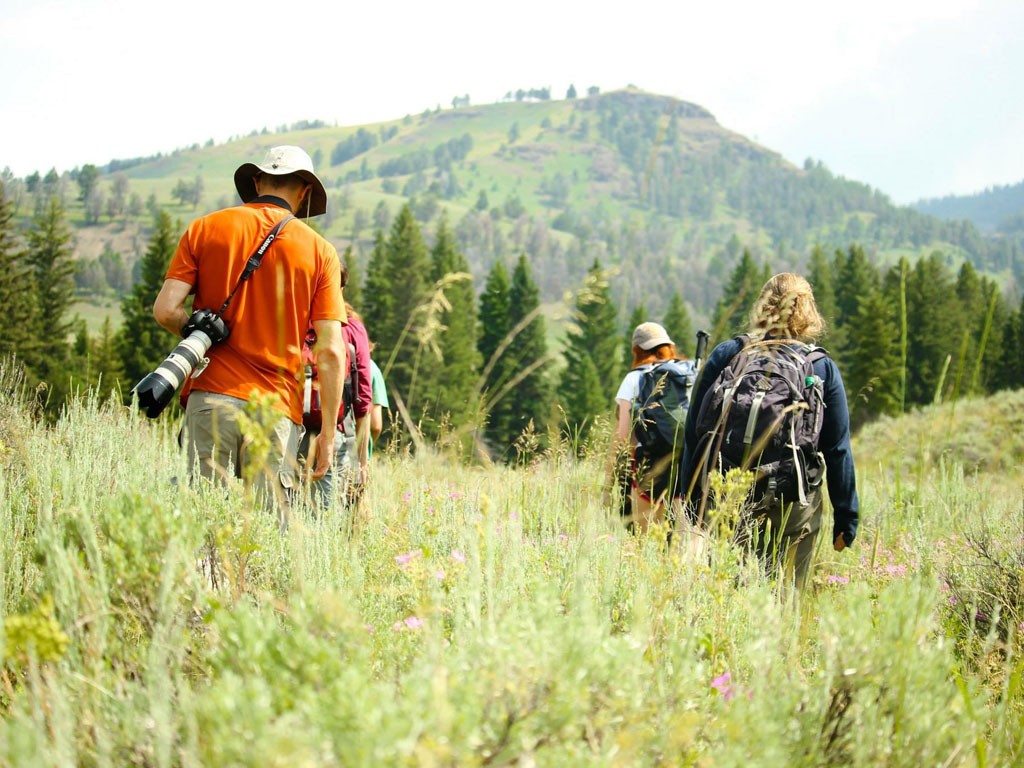
Backcountry Hiking
At a glance, hiking seems straightforward, but when you add navigation and group decision-making, it becomes something more.
Give a team a route, a map, and a shared objective, and you’ll quickly see how they communicate and solve problems together. Leadership emerges naturally, and so does collaboration.
It’s accessible, but still impactful, especially for larger teams.
Whitewater Rafting
This is one of the easiest ways to get a group working together right away.
You’re all in the same boat, literally. Everyone has a role, timing matters, and communication has to be clear if you want to move well as a team.
Guides are there to lead and keep things safe, but the group has to paddle together, adjust, and stay in sync. It doesn’t take long before people start paying attention to each other in a different way.
It’s also just a good time. You get a mix of adrenaline, downtime, and a shared experience that feels natural, not forced.
Canyoneering
Canyoneering brings a different kind of challenge.
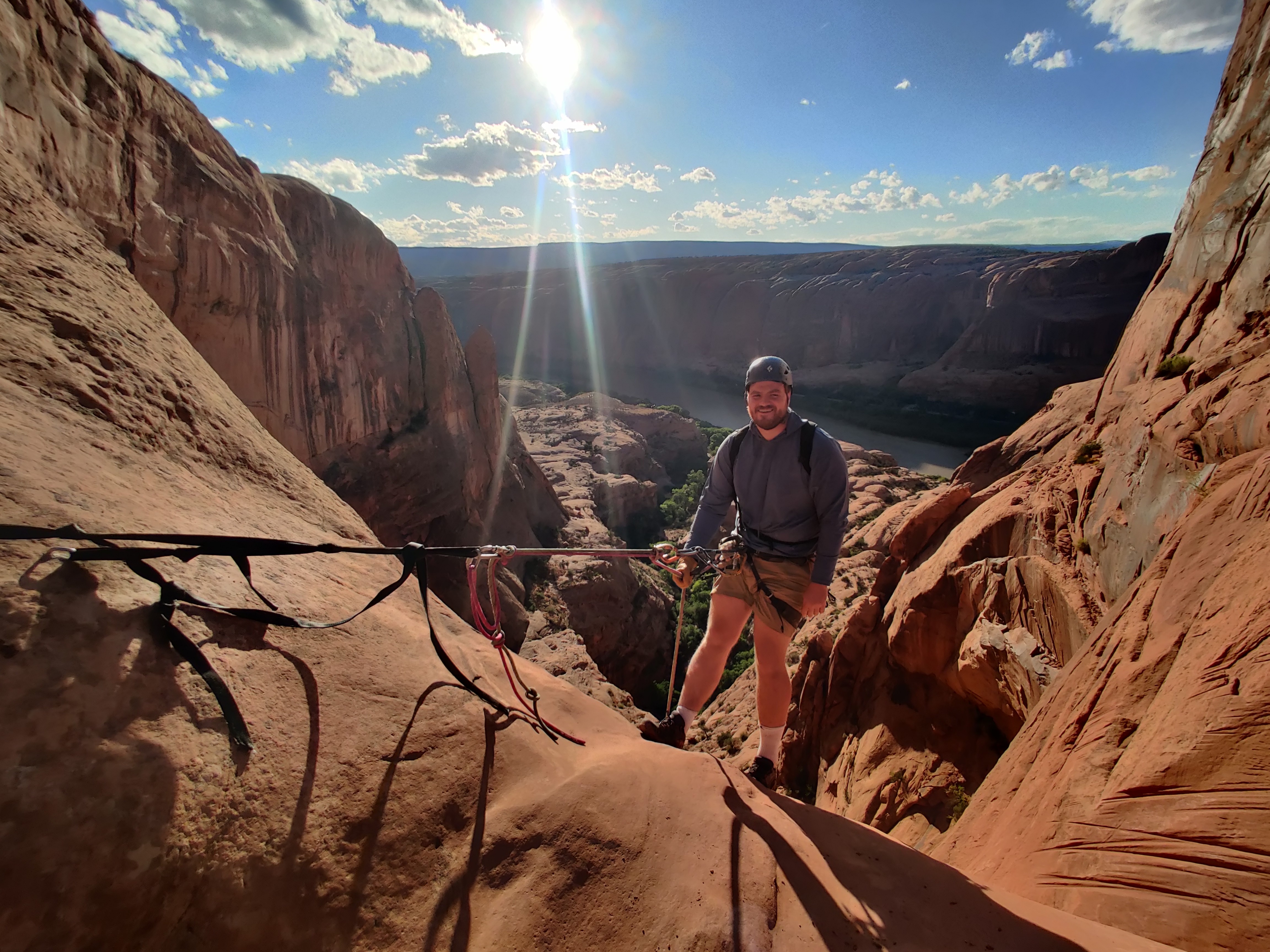
You’re moving through terrain most people never see — rappelling, scrambling, navigating narrow canyons, and figuring things out as you go. It’s less about speed and more about staying present and working through each section together.
Guides handle the technical systems, but the experience still asks people to step outside their comfort zones in a controlled way.
It’s a strong option for teams that want something a little more unique and immersive without jumping straight into something extreme.
Multi-Day Adventure Retreats
If you want lasting impact, it’s worth extending beyond a single day.
Multi-day experiences give teams time to settle in, connect more naturally, and step away from the constant pull of work. You’re not rushing through an agenda, which allows for a more genuine experience.
Whether it’s in Colorado, the Rockies, or an international destination, these trips tend to create the strongest outcomes.
Build Something That Fits Your Team
Not every group is looking for the same kind of experience, and that’s what makes custom outdoor retreats work so well.
Some teams want a day of climbing and rafting. Others want a slower multi-day experience with hiking, good food, and time outside together. The best trips are the ones built around the people going on them.
Small vs. Large Teams
Smaller teams benefit from more focused experiences where everyone is fully involved, such as climbing, ice climbing, or backcountry days.
Larger teams need a bit more structure, but not at the expense of the experience. Rotating between activities, breaking into smaller groups, and keeping things moving helps maintain energy and engagement throughout the day.
What Actually Makes It Work
The activity matters, but how it’s run matters more.
The best team building experiences meet people where they are, push them slightly outside their comfort zones, and avoid anything that feels forced or overly structured.
When it’s done right, the result is simple… people enjoy it, they remember it, and it changes how they work together.
A Stronger Team
You don’t build a stronger team in a conference room.
You build it outside, doing something that actually requires people to show up for each other.