Leisure Travel
From ancient Ute trails to the engineering marvel of Trail Ridge Road, discover the fascinating history of Rocky Mountain National Park. Planning a trip? Read this first to deepen your experience.
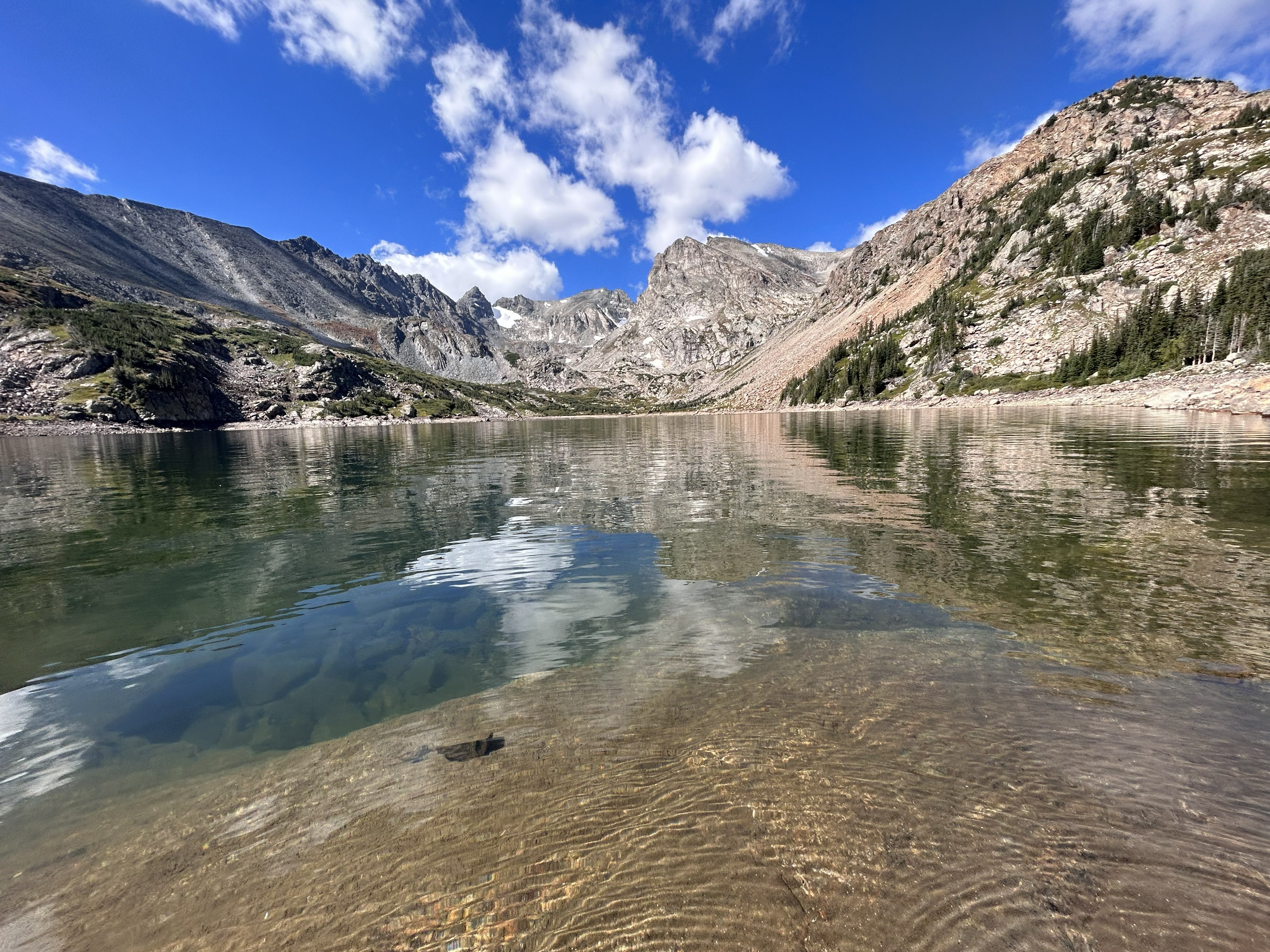
When you stand at the edge of Dream Lake or look out from the Alpine Visitor Center, it’s easy to think of Rocky Mountain National Park (RMNP) as timeless—a wild landscape that has always looked exactly this way.
But the park has a story.
For travelers planning a trip to RMNP in 2025, understanding the history of this land changes everything. It turns a scenic drive into a journey through time and a hike into a lesson on human resilience.
At Lost Goat Co., we believe the best adventures are the ones where you understand the ground beneath your boots. Here is a brief history of the park, and where you can still see the evidence today.
1. The First Travelers: The Ute and Arapaho
Long before tourists arrived in SUVs, this land was the summer hunting ground of the Ute and Arapaho nations.
For thousands of years, Indigenous people traveled from the lower valleys to the high alpine tundra to hunt game and escape the summer heat. They didn't just wander; they established sophisticated routes over the Continental Divide.
See the History: When you drive Trail Ridge Road, you are roughly following the "Ute Trail," an ancient route used to cross the mountains. You can still hike sections of the Ute Trail today—a high-altitude ridgeline walk that offers the same views Indigenous travelers saw centuries ago.
2. The "John Muir of the Rockies": Enos Mills
If Yosemite had John Muir, the Rockies had Enos Mills.
In the early 1900s, the area around Estes Park was becoming a mining and ranching hub. Mills, a naturalist and homesteader, saw the writing on the wall: if the land wasn't protected, it would be consumed. He spent years lobbying Congress, writing thousands of letters and delivering hundreds of speeches.
On January 26, 1915, his work paid off when President Woodrow Wilson signed the act creating Rocky Mountain National Park.
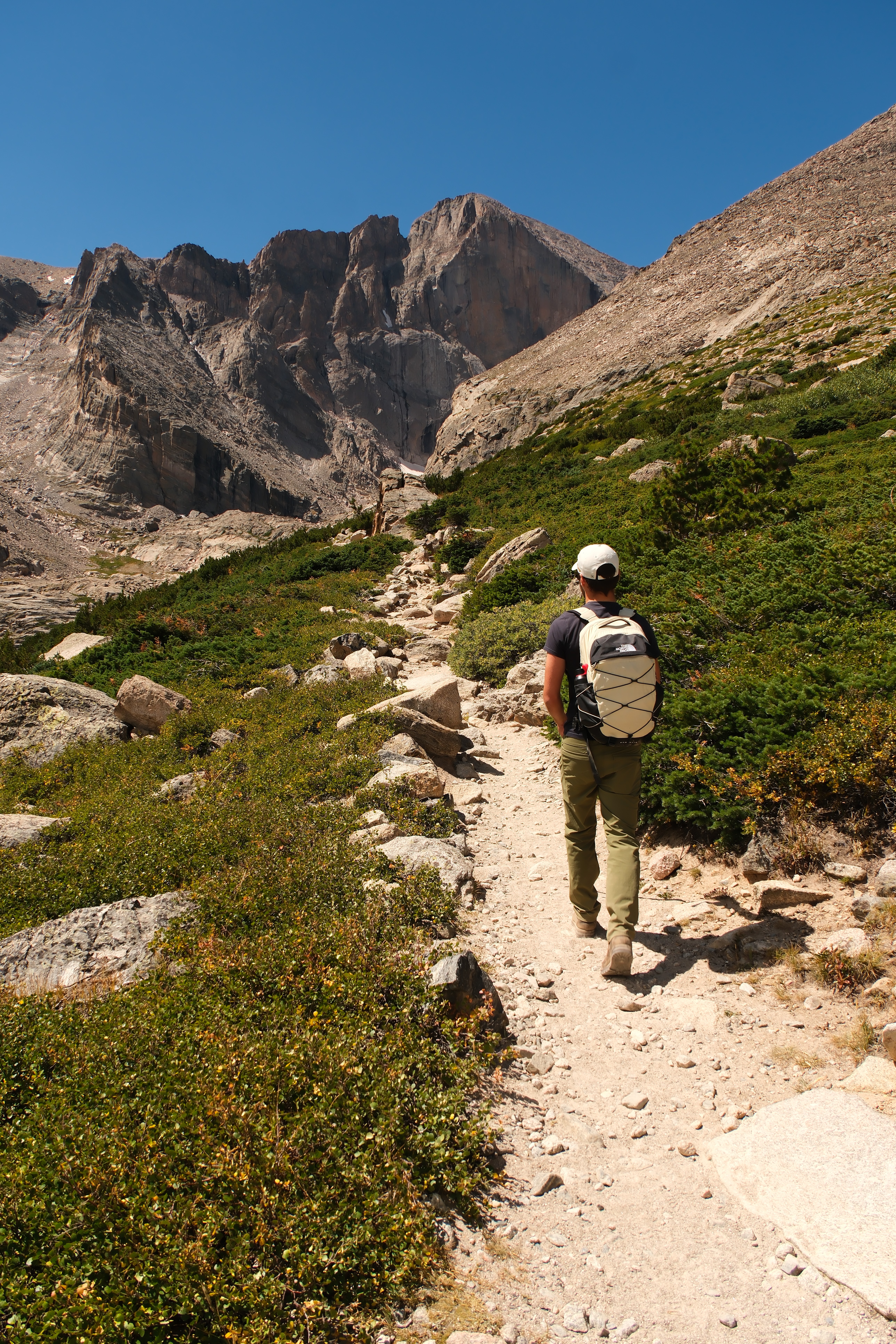
Travel Tip: While in the park, keep an eye out for Longs Peak. Mills made the summit of this 14,000-foot peak nearly 300 times, often alone and at night, to document the weather and geology.
3. The Engineering Marvel: Trail Ridge Road
In the 1920s, the National Park Service decided they needed a road that would allow visitors to see the "roof of the world."
The result was Trail Ridge Road, begun in 1929 and finished in 1932. It holds the title of the highest continuous paved road in the United States, topping out at 12,183 feet.
Building it was a brutal feat of engineering. Crews worked in freezing temperatures, blasting through solid granite and battling 30-foot snowdrifts. Unlike most roads that follow river valleys, Trail Ridge was designed to follow the ridgeline, offering unobstructed views of the peaks.
See the History: For a grittier experience, skip the main road one way and take Old Fall River Road. This was the original motor route, a narrow, one-way dirt road with steep switchbacks that opened in 1920. It feels much more like the adventure driving of the early 20th century.
4. The CCC Era: Building the Park
If you enjoy the sturdy stone walls along the roads, the comfortable amphitheaters, or the well-graded trails to Bear Lake, you can thank the Civilian Conservation Corps (CCC).
During the Great Depression in the 1930s, thousands of young men were employed to build the park's infrastructure. They lived in camps inside the park (including one at Little Horseshoe Park) and built many of the structures that are still in use today.
5. The Modern Era: Why We Have Timed Entry
History isn't just about the past; it explains the present.
In the last decade, RMNP has become one of the most visited parks in the country. The narrow roads and fragile alpine tundra (which takes hundreds of years to recover from a single footprint) were at risk of being loved to death.
This is why the Timed Entry Permit System exists today. It is the modern chapter of conservation—ensuring that the park Enos Mills fought for in 1915 survives for the travelers of 2115.
Experience the History with a Guide
You can read the plaques at the visitor center, or you can walk through history with a guide who knows the stories by heart.
At Lost Goat Co., our guides are experts in the natural and human history of the Rockies. Whether we are navigating the backcountry or driving the high roads, we add context to the scenery.
Planning a trip to Rocky Mountain National Park? Don’t just see the views—hear the stories.